DNAco

Become an expert in

Claude Code for Bioinformatics

Expert-led seminars, hands-on lessons, and live office hours to learn how to bring your bioinformatics into the AI era.

Get Started
Scroll to explore ↓

We meet you where you are

We offer customized group sessions over single or multiple engagements, and open office hours to help each member of your team reach their potential.

Introduction to CC

Learn how to interact with claude in the most effective ways: how to pick models, control compaction, and quickly build analytics pipelines.

Solve Pain Points

Master CLAUDE.md, architecture documentation, and context sizes to prevent claude confusion on large apps and reduce repeat work for your team.

Advanced Usage

Create custom agents, workflows, skills, and marketplaces. Integrate your other tools with claude via MCP servers.

The Curriculum

Six seminars over 12 weeks, delivered every other week, with office hours in between to bring your real challenges.

1

How to Talk to Claude Code

Most people approach Claude Code like a search engine or a chatbot that can write its answers to files. This session reframes Claude as a collaborative junior engineer that needs to be briefed, directed, and reviewed.

2

Powering Up Throughput With Claude Code

This is where productivity gains become tangible — moving from using Claude to aid in your usual analysis environments to software stacks that can fully leverage Claude's power.

3

Working With Your Existing Code

Almost no one starts from a blank slate. This session covers bringing Claude Code into existing projects and pipelines without losing context or introducing technical debt.

4

Agents, Subagents, and Hooks

Once you're comfortable directing Claude Code manually, this session shows you how to encode that direction into reusable, composable units — moving from one-off interactions to automated workflows.

5

Cross-Team Knowledge Bases

Individual productivity is valuable, but the bigger win comes from capturing institutional knowledge — standard workflows, QC criteria, pipeline patterns — in a shared, versioned form the whole team builds on.

6

MCP Servers

MCP servers extend Claude Code's reach to external tools, databases, and services. This session covers how they work, how data flows through them, and questions worth asking before wiring one in.

Want the full session-by-session curriculum?

Every topic covered in each seminar — handy for sharing with your manager for sign-off. Drop your email in, and download it.

Something went wrong. Please try again or email billyg@dnacollc.com.

✦ You're in — view the full curriculum →

Pricing

Whether you are an individual, a group of colleagues, or a team lead putting together a multi-engagement plan for your team, we are here for you.

Enterprise

Custom

Reach out now to start discussions

  • Everything in Individual
  • Modifiable time length's or seminar structures
  • Customized vignettes to your company's research areas
  • Finish the course with a marketplace and skills
Contact Us
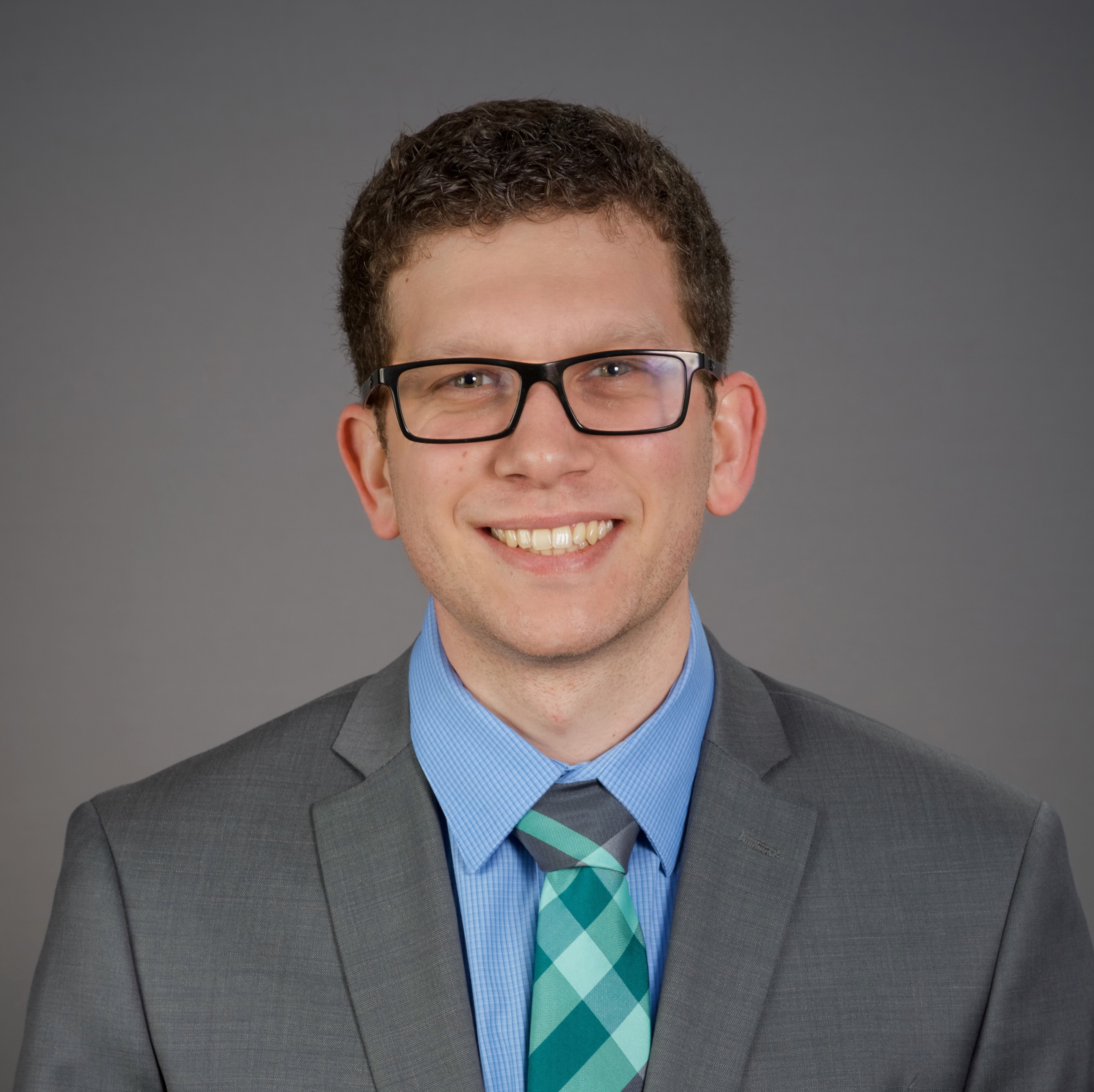
Bill

About Bill

Founder, Drums N' Analytical Consulting (DNAco) LLC

Bill Young-Greenwald, PhD, is a Senior Staff Bioinformatics Scientist at Guardant Health, where he leads algorithm and ML development behind multiple clinically approved liquid-biopsy diagnostics, including devices used in MRD detection and cancer screening. He holds a PhD in Bioinformatics and Systems Biology from UC San Diego, has authored research in journals including Nature Communications (h-index of 17; 1,300+ citations), and invented multiple patents spanning epigentics and drug targeting strategies. Most recently, he drove Claude Code adoption at Guardant, becoming a go-to person for teaching AI-assisted scientific coding — experience he now brings to bioinformaticians who want to supercharge their analysis.

Get in Touch